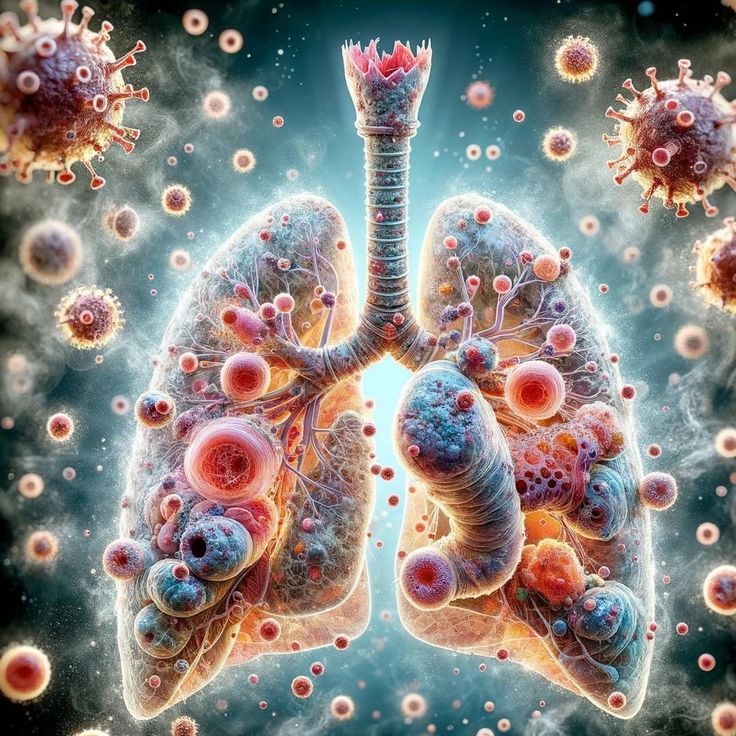
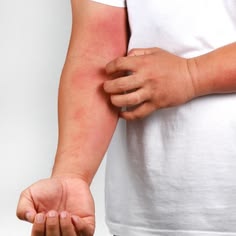
H Healthy TB Lungs Explore the Healthy vs. TB Lungs exhibit to compare normal pulmonary architecture against the pathological destruction caused by Mycobacterium tuberculosis. Inspect side-by-side anatomical specimens, chest radiographs, and granuloma models—discovering how early symptom recognition, sputum diagnostics, and complete multi-drug antibiotic therapy halt transmission and restore respiratory health. M Matching Games Engage with the Matching Games exhibit to test your diagnostic reasoning through interactive pathogen, symptom, and vector pairing challenges. Connect causative microorganisms with their clinical presentations, transmission routes, and targeted treatments—discovering how rapid pattern recognition sharpens medical literacy, reinforces preventive habits, and empowers informed health decisions. R Rapid Test Demonstration Visit the Rapid-Test Demonstration exhibit to observe how point-of-care lateral-flow assays deliver fast, reliable infectious disease screening. Watch live antigen and antibody test demonstrations highlighting proper specimen collection, capillary migration, and control-line interpretation—discovering how rapid diagnostic turnaround enables early isolation, timely treatment, and effective outbreak containment. R Rapid-Test Demonstration The Rapid-Test Demonstration at MedKel 2026 (Faculty of Medicine, University of Kelaniya) shows visitors how point-of-care lateral flow assays work to detect infections—such as dengue, influenza, and respiratory viruses—within minutes. Medical students walk through proper sample collection, antigen-antibody binding on test strips, and accurate interpretation of control and test lines to guide timely treatment R Rash Models Explore the Rash Models exhibit to examine the cutaneous manifestations of infectious, allergic, and autoimmune conditions. Inspect realistic dermatological replicas displaying macular, papular, vesicular, and petechial lesions alongside diagnostic differential guides—discovering how accurate morphological recognition enables early disease identification, timely isolation, and targeted clinical treatment. R Rash Models The Rash Models at MedKel 2026 (Faculty of Medicine, University of Kelaniya) display lifelike dermatological replicas illustrating classic viral exanthems and infectious skin eruptions—such as measles, chickenpox, dengue petechiae, and fungal or bacterial lesions. Medical students guide visitors on recognizing key visual patterns, differentiating benign from urgent red-flag rashes, and seeking timely clinical care S Sneeze Demonstration Visit the Sneeze Demonstration exhibit to witness the high-velocity mechanics of respiratory droplet and aerosol expulsion. Observe slow-motion visualizations and particle-dispersion models mapping pathogen travel distances across enclosed spaces—discovering how proper cough etiquette, surgical masking, and indoor ventilation dramatically reduce airborne transmission and protect community health. T Transmission Holograms Explore the Transmission Holograms exhibit to visualize how infectious pathogens spread through airborne droplets, physical contact, and environmental reservoirs. Interact with three-dimensional holographic projections illustrating aerosol dispersion, mucosal entry, and chain-of-infection dynamics—discovering how targeted ventilation, hand hygiene, and barrier precautions disrupt transmission and protect community health. T Transmission Holograms The Transmission Holograms at MedKel 2026 (Faculty of Medicine, University of Kelaniya) use dynamic 3D holographic projections to visualize how airborne droplets, aerosols, direct contact, and vector-borne pathogens spread from host to host. Visitors see invisible transmission pathways illuminated in real time—reinforcing why masking, hand hygiene, ventilation, and vaccination effectively break chains of infection. V Virus Models Explore the Virus Models exhibit to examine the microscopic architecture driving viral infection and immune evasion. Inspect magnified three-dimensional representations of viral capsids, lipid envelopes, and surface spike glycoproteins—discovering how structural biology informs targeted antiviral drug design, mRNA vaccine development, and effective infection control strategies. V Virus Models The Virus Models at MedKel 2026 (Faculty of Medicine, University of Kelaniya) showcase magnified, three-dimensional structures of common pathogens—illustrating viral capsids, lipid envelopes, surface spike proteins, and genetic material (DNA/RNA). Medical students explain how viruses attach to host cells, trigger immune responses, and how vaccines and antiviral hygiene disrupt transmission.